Asset Gallery – NAIT AR Museum
The Beginning
Yes, this is an asset gallery, I promise. But I wouldn’t be much of a storyteller if I didn’t give you some context as to how all of this went down in the first place, now would I? So…where to start?
Well, then let’s start back in January of 2026, when our cohort was entering its final semester of our DMIT diploma program. We were the last cohort to go through the old program before its revamping, which meant that we were doing our Capstone as usual. With some new twists that the instructors were trying out to see if they could make the process a bit smoother.
Their through process was to make an Excel spreadsheet through which they would have students sign up for the Capstone projects they wanted, and organize the teams based on aptitude and on who signed up for which position on a given team.
When I signed up for the NAIT AR Museum project, I’d signed on to be an artist. Just an artist, 2D, preferably, because I wanted to work more on UX/UI type assets because I’d been developing my digital illustration skills at the time and wanted to challenge myself. Well, I got to challenge myself. But there were more than a few wrinkles thrown into my plan.
Part of me wonders if it’s because I created a wrinkle in THEIR plans when I pointed out to the rest of the hundred and some students in Capstone that there was a very blank stretch of space down below the sign-up portion of the document that mysteriously turned into a nerdy graffiti wall…
The Bits and Bobs
With the team assembling at the start of the semester, I quickly found myself thrown for a bit of a loop. When the document with the teams listed finally came out, I found the title “Art Lead” next to my name in the spreadsheet.
That is NOT what I had signed up for.
But, I thought to myself, it wouldn’t be that bad. I had a couple of classmates with me on the art team that I was friends with and had worked with on projects before. Including our theoretical Nuclear North design document.
Then came the first week of team meetings, and our supervisor and client was content to sit back and watch nature takes its course. I’m still convinced that I only became Team Lead because I was the loudest and most extroverted of the group. The rest of the team, however, seemed to see more in me than that.
I’ll trust their judgment on that.
What followed was a whirlwind of responsibilities that took me far from the role I was expecting to play. Though I did get in some of the graphic design I was hoping to, I found my time usually occupied with chairing meetings, managing client expectations, acting as a liaison between the client and team, and providing morale support to my art and programming teams.
Though we had a few technical hiccups as we forged into uncharted territory, nothing caught fire, and overall, our project proceeded relatively smoothly. Each artist had a flexible and growing list of assets to produce based on how quickly they were producing them, and the programmers experimented and researched to their hearts’ content.
Pulling It All Together
Part of my job quickly became the sourcing of experts who could help our team achieve the proof-of-concept that we’d been tasked with. I found a web designer for our programmers who had experience with augmented reality and could answer any questions they might have about ways to make the system they were building from scratch work. And I sourced a strategist to talk to our business analysts for future strategy work, should the project continue beyond the end of the semester.
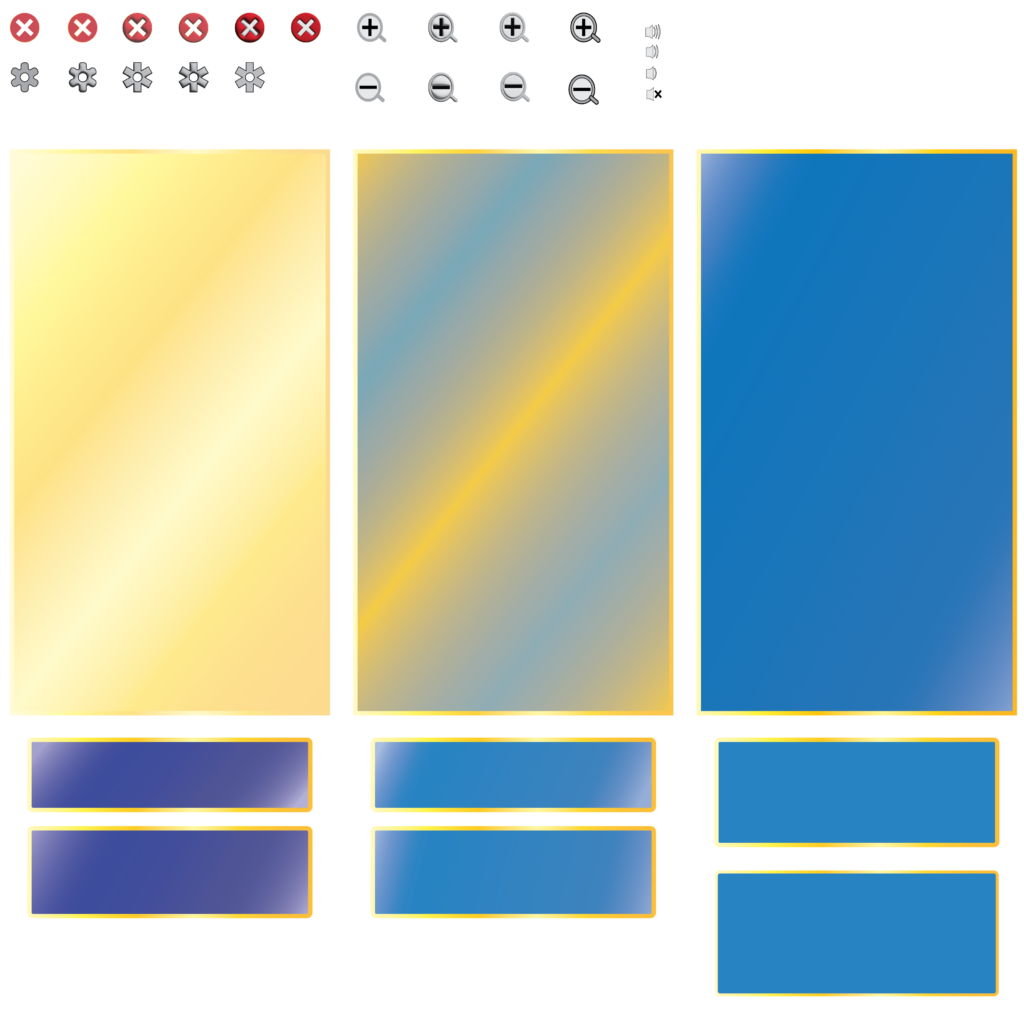
When I wasn’t arranging meetings, I put my head together with my programmers to find out what sorts of UX/UI features they needed, and what sorts of formats they needed designs for. My later design work would begin to focus on compatibility with phone screens, gradient washes to provide a thematic background for menus, play, pause, sound, mute, settings, and exit buttons for various app functionalities.
As our project neared its end, my focus turned from design work to asset consolidation, where I solicited assets from other students to showcase in our museum for the end of term submission. I then proceeded to add to our assets by providing voiceover narration for every single one of our over twenty virtual exhibits.
Once asset management entered its final stage and we had a working proof-of-concept, I took the video footage recorded by our programmers, as well as footage I recorded during a tour of the build file, and turned it into a preliminary trailer for our Capstone presentation, along with putting together the slideshow myself based on a template sent to me by our BAs.
Alongside our Lead Programmer, I helmed the team presentation on April 20th, 2026 and delivered it successfully despite ongoing technical difficulties throughout the presentations.
Preliminary Designs
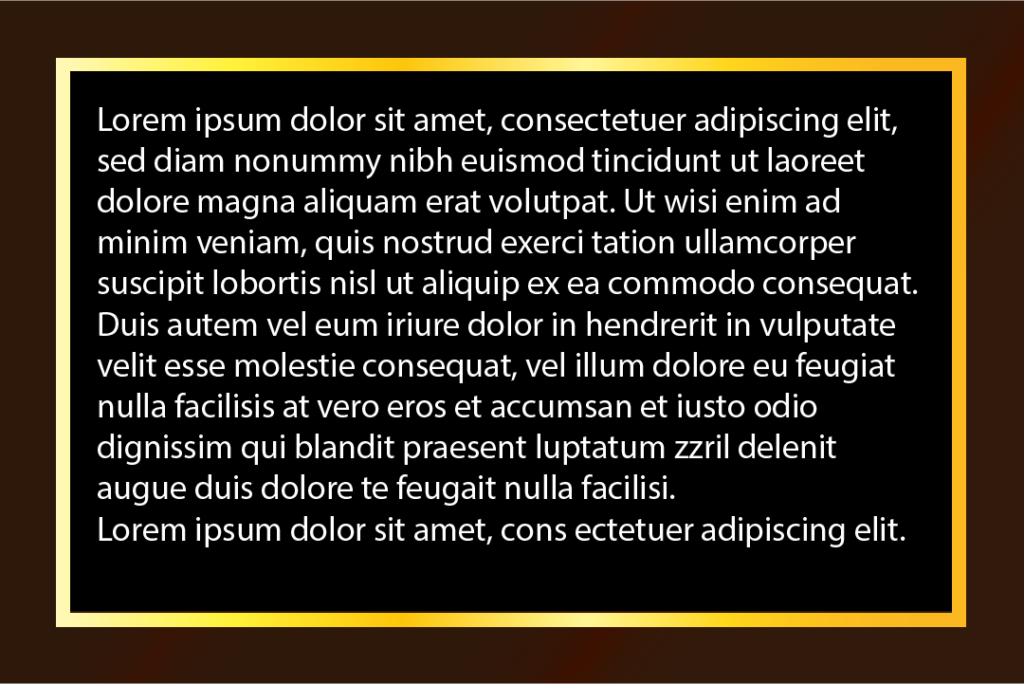
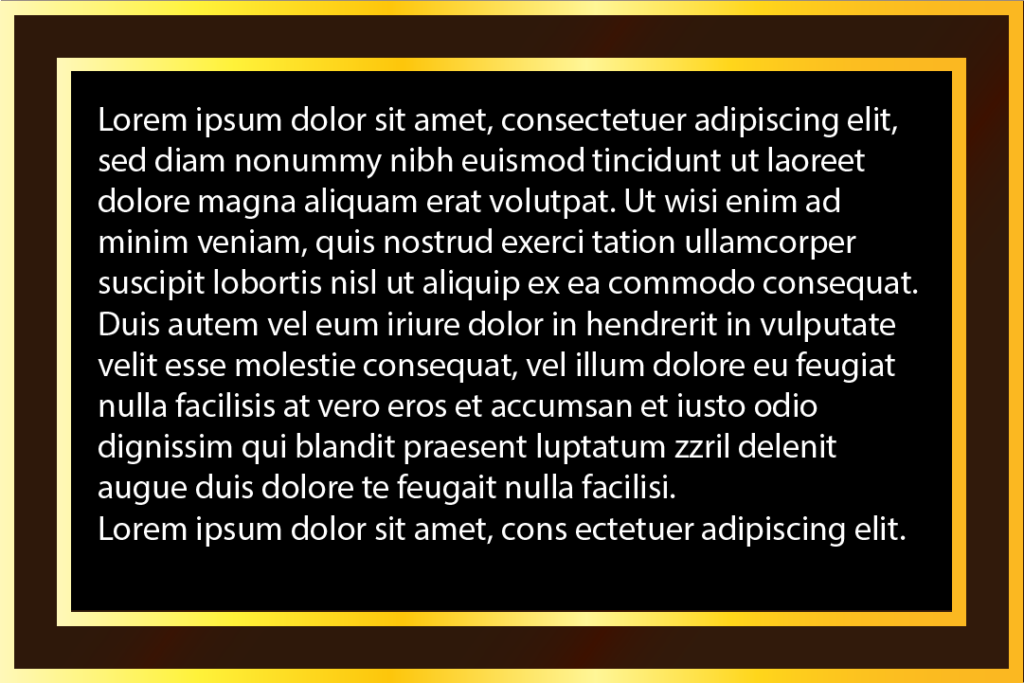
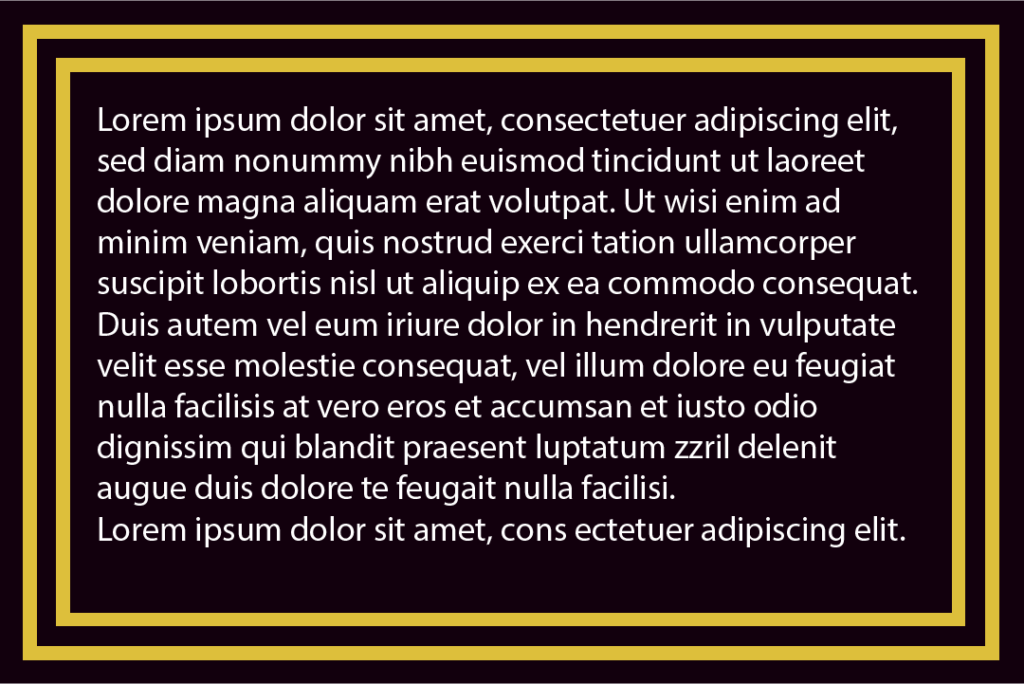
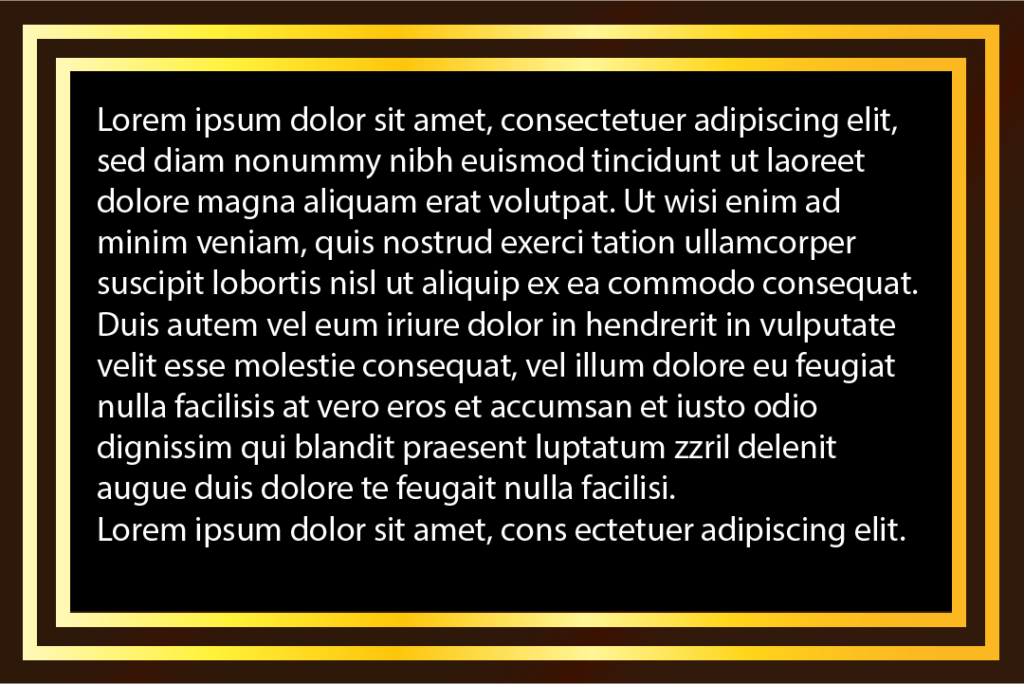
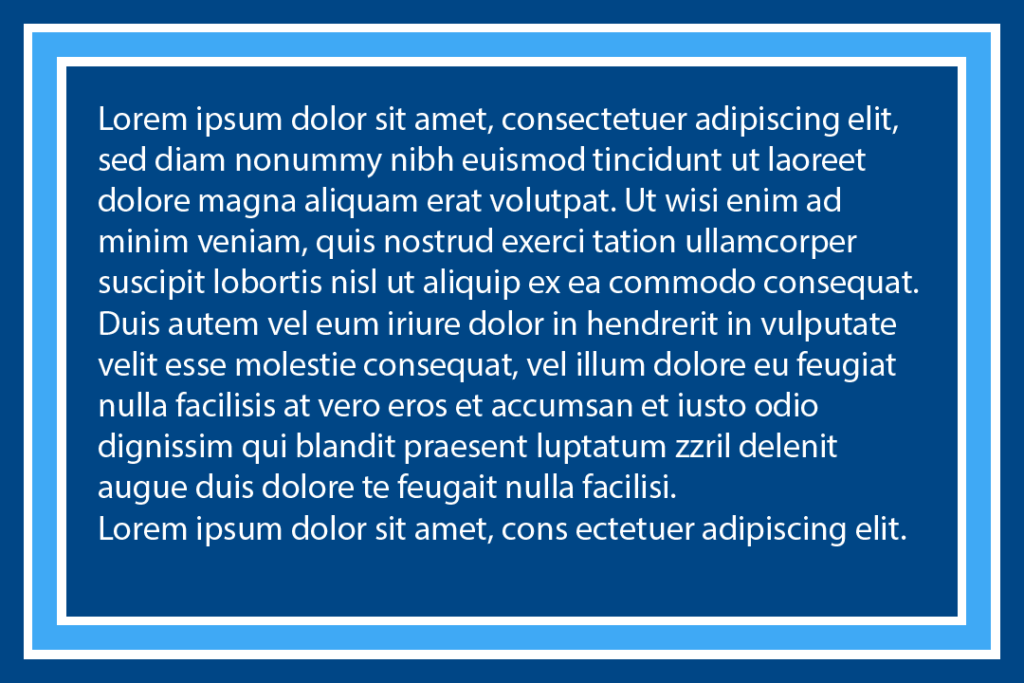
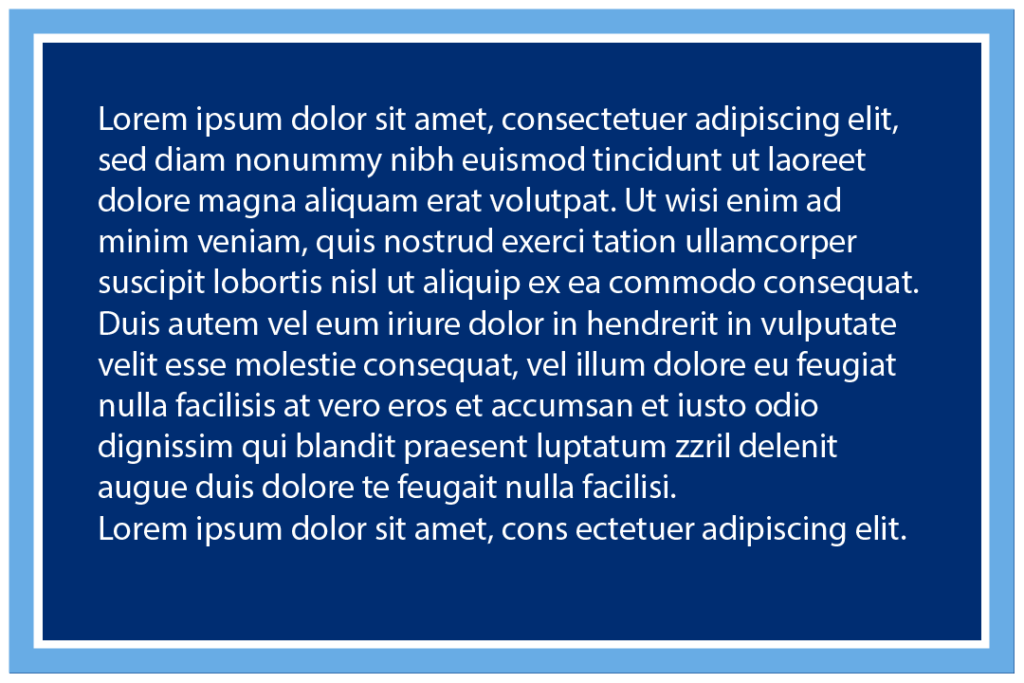
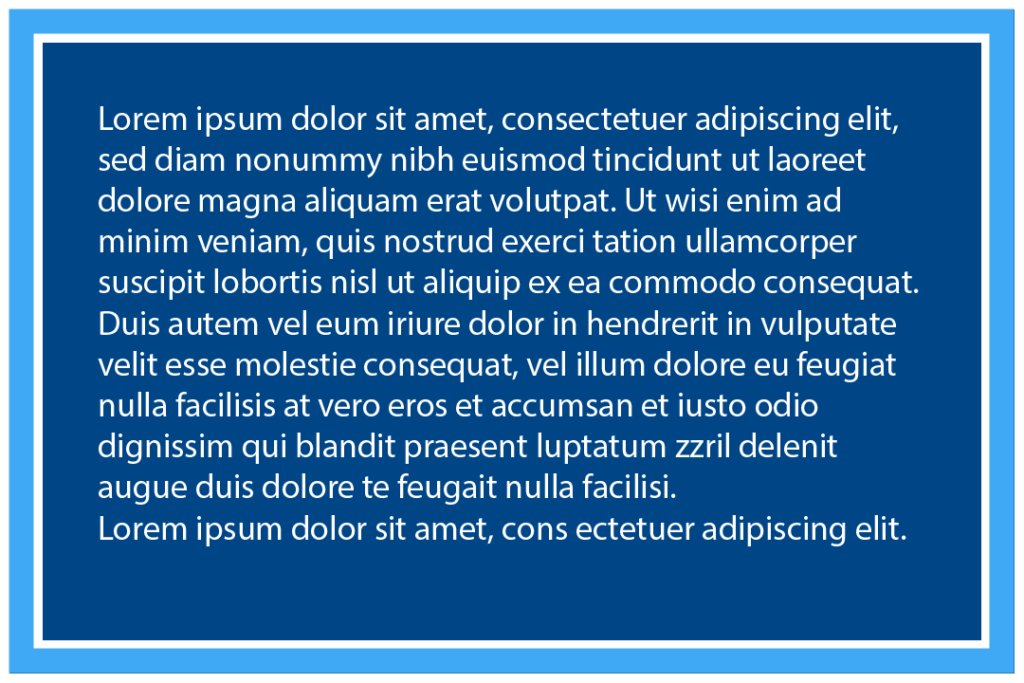
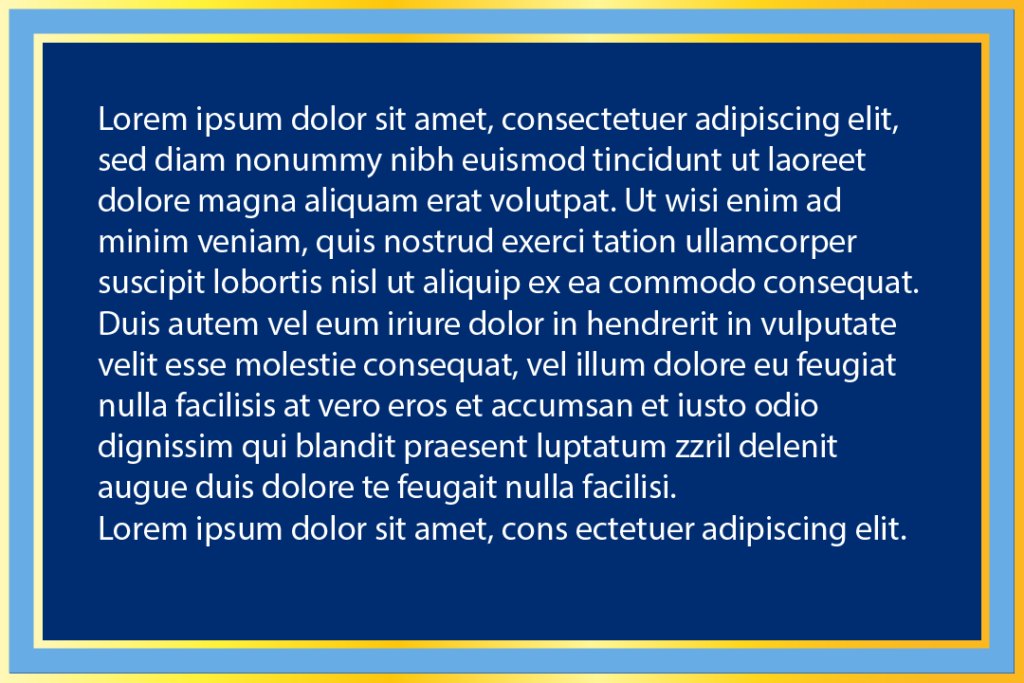
For our virtual museum, I sought to make a selection of information plaques that visitors could click on to be provided with more information about the exhibits on display.
I first chose to try a colour scheme that took inspiration from traditional dark wood or stone and bronzed plaques, but with a touch more brightness and colour. For a second set, I experimented with NAIT’s official colours to produce further early concept pieces.
Secondary Designs
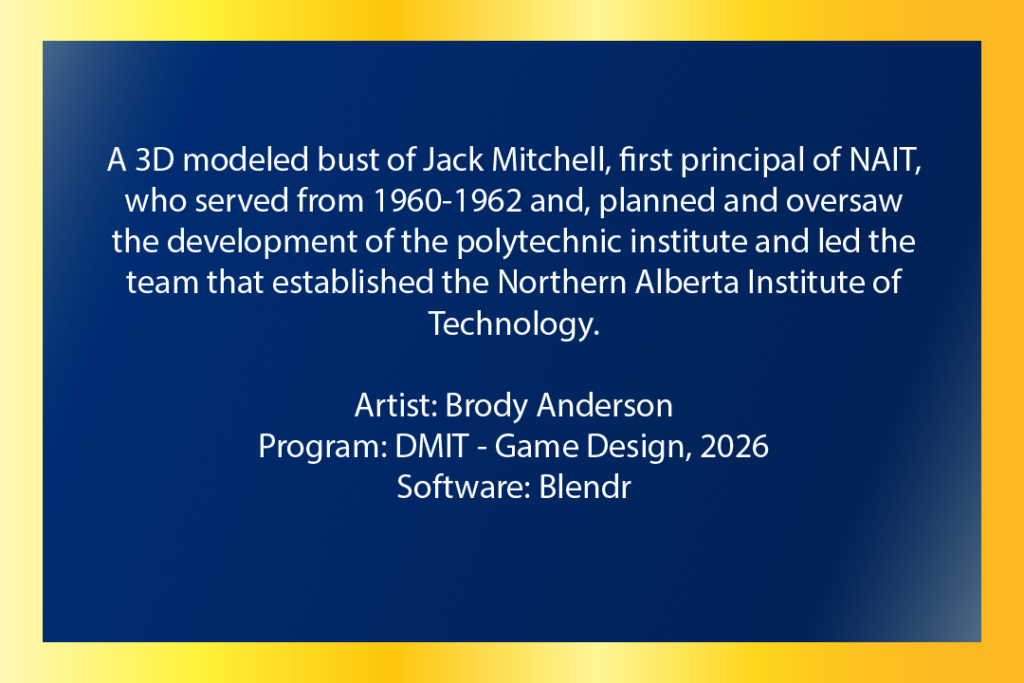
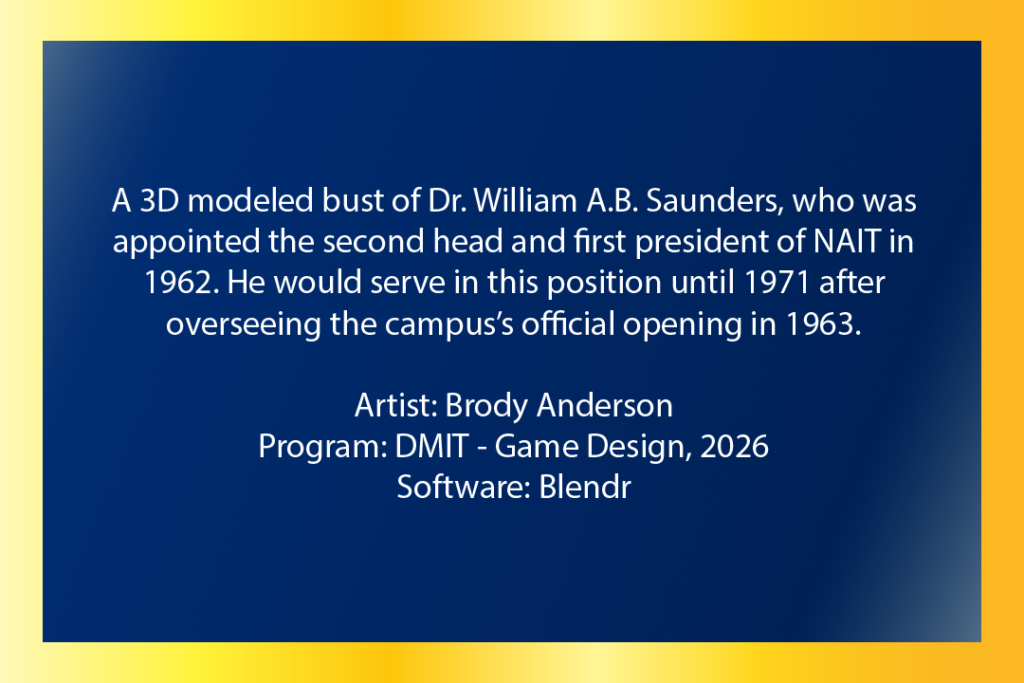
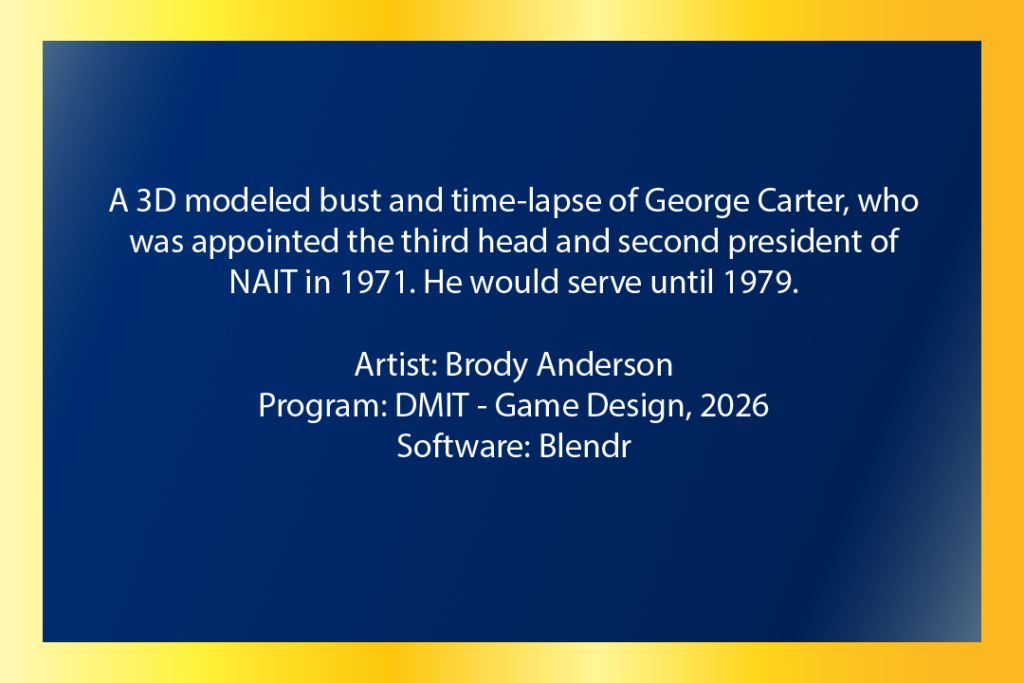
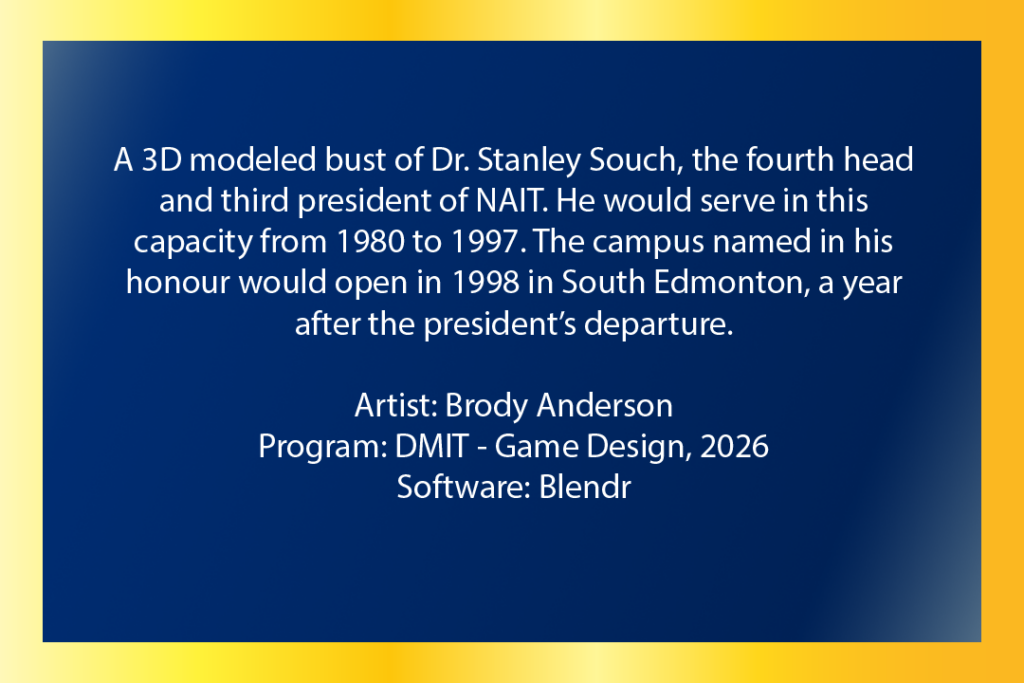
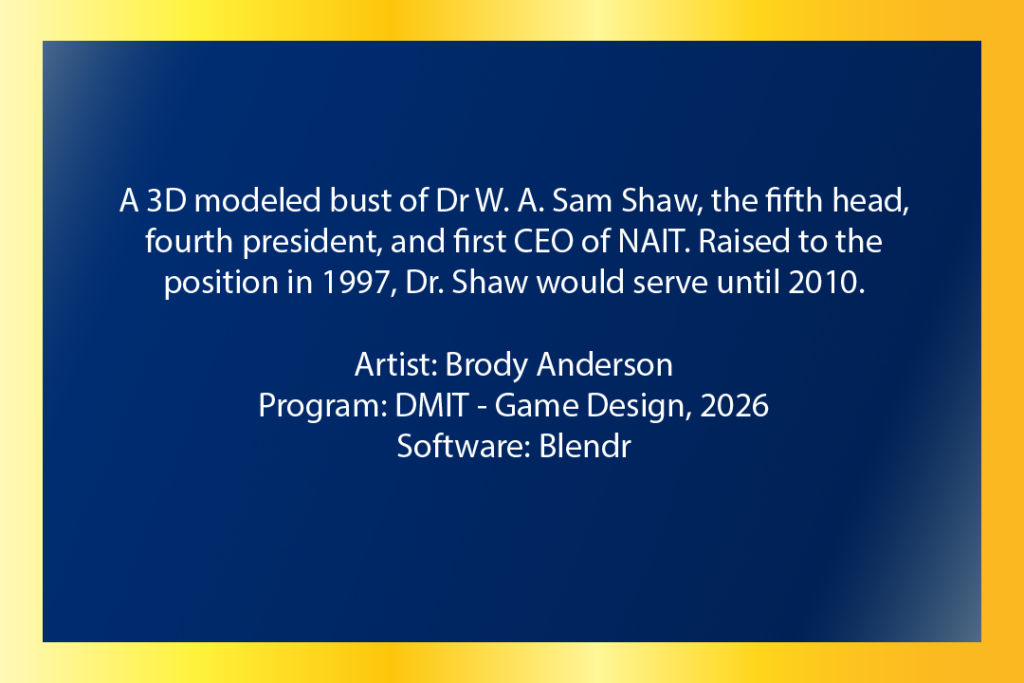
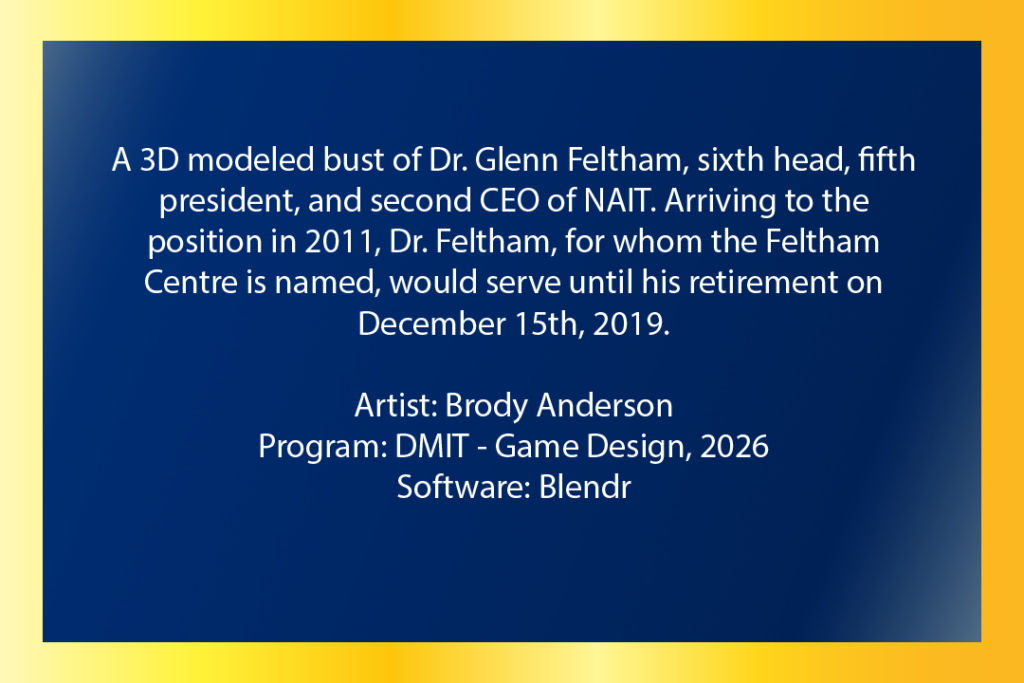
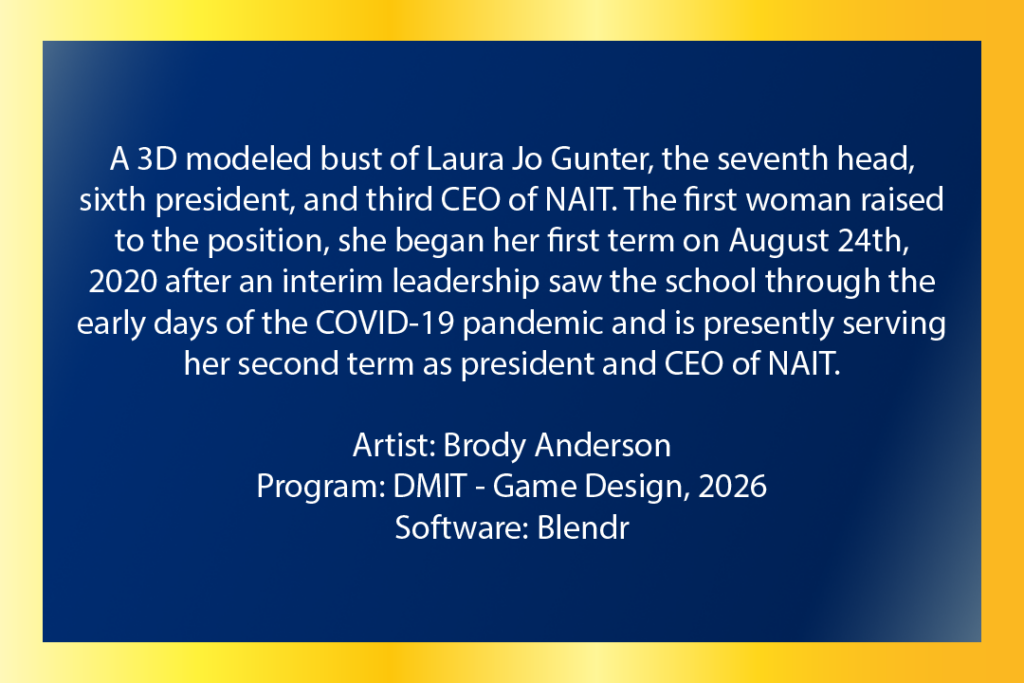
After several design attempts and feedback from both the art and programming teams, I settled on a thickly-bordered design inspired by the school colours found on a school sports sticker pasted to the laptop of one of our business analysts.
This set of plaques were designed for our hall of busts historical exhibit showcasing modeled sculpted busts of the seven heads of NAIT, stretching back to the first principal of the campus.
App UX/UI Designs
It took several iterations to settle on a final colour scheme and opacity for the app’s splash and menu screens, but the client’s colour scheme of blue, white, and gold prevailed. Though not required, this theme proved to be the most consistently appealing, delivering a gentle, but non-static backdrop for many of our UX/UI assets.